
Ensuring Digital Signature and Timestamp Integrity on Source Documentation
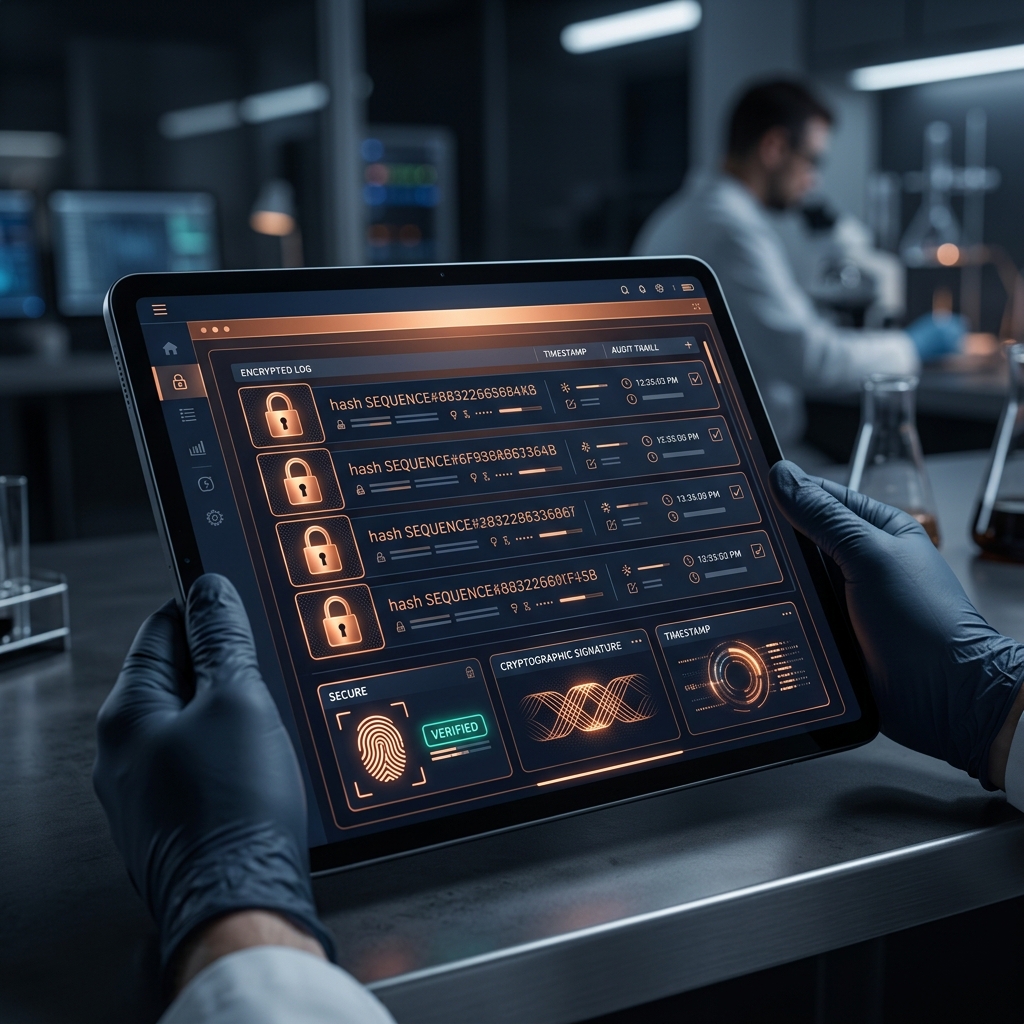
Quick Answer / Executive Summary
- Understanding Risk: Mismanagement of digital signatures and timestamps can lead to data integrity issues, impacting study outcomes and regulatory compliance.
- Operational Compliance: Emphasize ALCOA+ principles to ensure complete, accurate, and reliable source documentation.
- Documentation Protocol: Maintain meticulous records of Change Control, CAPA logs, and DoA logs to facilitate compliance monitoring.
- Quality Control: Establish QTLs and address temperature excursions as part of data integrity safeguards.
- TMF Management: Conduct regular TMF reconciliations to ensure alignment with source documentation and regulatory requirements.
Introduction
The advent of digital signatures and timestamps has transformed the documentation practices in clinical trials, integral for evidencing compliance with regulatory standards. Given the intricacies involved, it is essential for Clinical Site Directors, Investigators, and Clinical Research Organization (CRO) Managers to grasp the importance of upholding the integrity of these digital tools within the source documentation landscape.
Understanding Digital Signatures and Timestamps
Digital signatures serve as electronic equivalents of handwritten signatures. When implemented correctly, they enhance the security and integrity of clinical data by ensuring authentication and non-repudiation. Timestamps, on the other hand, document when a particular action occurred, thereby establishing a timeline of events surrounding data entry. Both elements are vital in demonstrating compliance with Good Clinical Practice (GCP) guidelines.
ALCOA+ Principles and Digital Integrity
Ensuring adherence to the ALCOA+ principles, Attributable, Legible, Contemporaneous, Original, Accurate, and Complete, remains foundational in clinical data integrity. Below is an analysis of how digital signatures and timestamps support these principles:
- Attributable: Digital signatures provide clear attribution to the individual responsible for data entry, allowing for verifiable accountability.
- Legible: Digital records eliminate the ambiguity associated with handwriting, ensuring clarity in documentation.
- Contemporaneous: Immediate timestamps associated with entries affirm that data is recorded in real-time, aligning with the events of the clinical process.
- Original: Source documents, when digitally signed, preserve their originality in a manner compliant with electronic records regulations.
- Accurate: Automated systems reduce human error, further reinforcing the integrity of data captured.
- Complete: Comprehensive audit trails must be generated that detail every access or modification to the source document.
Operational Workflow Management
In the context of clinical trials, ensuring digital signature and timestamp integrity requires robust operational workflows:
1. Change Control and CAPA Logs
The integration of digital signatures within Change Control systems facilitates the logging of all changes made to documentation and processes. Corrective Action and Preventive Action (CAPA) logs should also reflect any discrepancies surrounding digital signature applications, leading to necessary corrective measures. Ensuring that CAPA logs are robust enhances the accountability of all modifications, reinforcing compliance with regulatory expectations.
2. Delegation of Authority (DoA) Logs
Maintaining a detailed DoA log that records any changes in delegated responsibilities is crucial for validating digital signatures. Each signatory must be trained and authorized, with their authority clearly documented. Digital signatures, when executed by unauthorized personnel, can lead to compliance infractions.
3. Quality Tolerance Limits (QTLs)
Implementing measurable QTLs adds layers of assurance regarding the accuracy and reliability of data entries. Regular audits of signature and timestamp accuracies help ensure adherence to established QTLs, crucial for maintaining the quality of clinical data.
4. Management of Temperature Excursions
Temperature excursions may compromise the integrity of data collected from temperature-sensitive investigations, underscoring the importance of detailed records. Digital systems used for real-time monitoring should utilize digital signatures for sign-off on all incidents, ensuring that documentation accurately reflects procedural adherence during the affected timelines.
5. Trial Master File (TMF) Reconciliation
Regular TMF reconciliations are critical to verifying that all source documentation aligns with submitted digital records. This ensures that any signature discrepancies or timestamp anomalies are illuminated and addressed proactively, thereby verifying the comprehensiveness and compliance of trial documentation.
Mitigating Risks to Digital Signature and Timestamp Integrity
Despite the advantages of utilizing digital signatures and timestamps, numerous risks could compromise their integrity:
- Insufficient Training: Personnel must be adequately trained in electronic documentation procedures to minimize user error.
- System Vulnerabilities: Ensure that the technology and software systems employed are secure, employing encryption and data access controls.
- Audit Trail Gaps: Regular audits of digital signature functionality and audit trails are necessary to detect unauthorized changes or accesses.
Conclusion
In conclusion, maintaining the integrity of digital signatures and timestamps within source documentation is pivotal for ensuring regulatory compliance and data accuracy in clinical trials. By embracing operational best practices supported by the ALCOA+ principles, Clinical Site Directors, Investigators, and CRO Managers can effectively mitigate risks and uphold the integrity critical to successful clinical research.
Call to Action
Download the GCP Audit Red Flag Checklist and Compliance Command Center templates to audit your site source logs and delegation records before the inspectors arrive.
Click here for resources
Founder and CEO of IntelliAIScale. Former Clinical Research Coordinator at Hôpital Maisonneuve-Rosemont, CCRP, CCRC, CCRA.